Open |
Open from
Closed today
Ticketing
My selection

100 Years of Cahiers d’Art and LUMA Arles

  • Archives

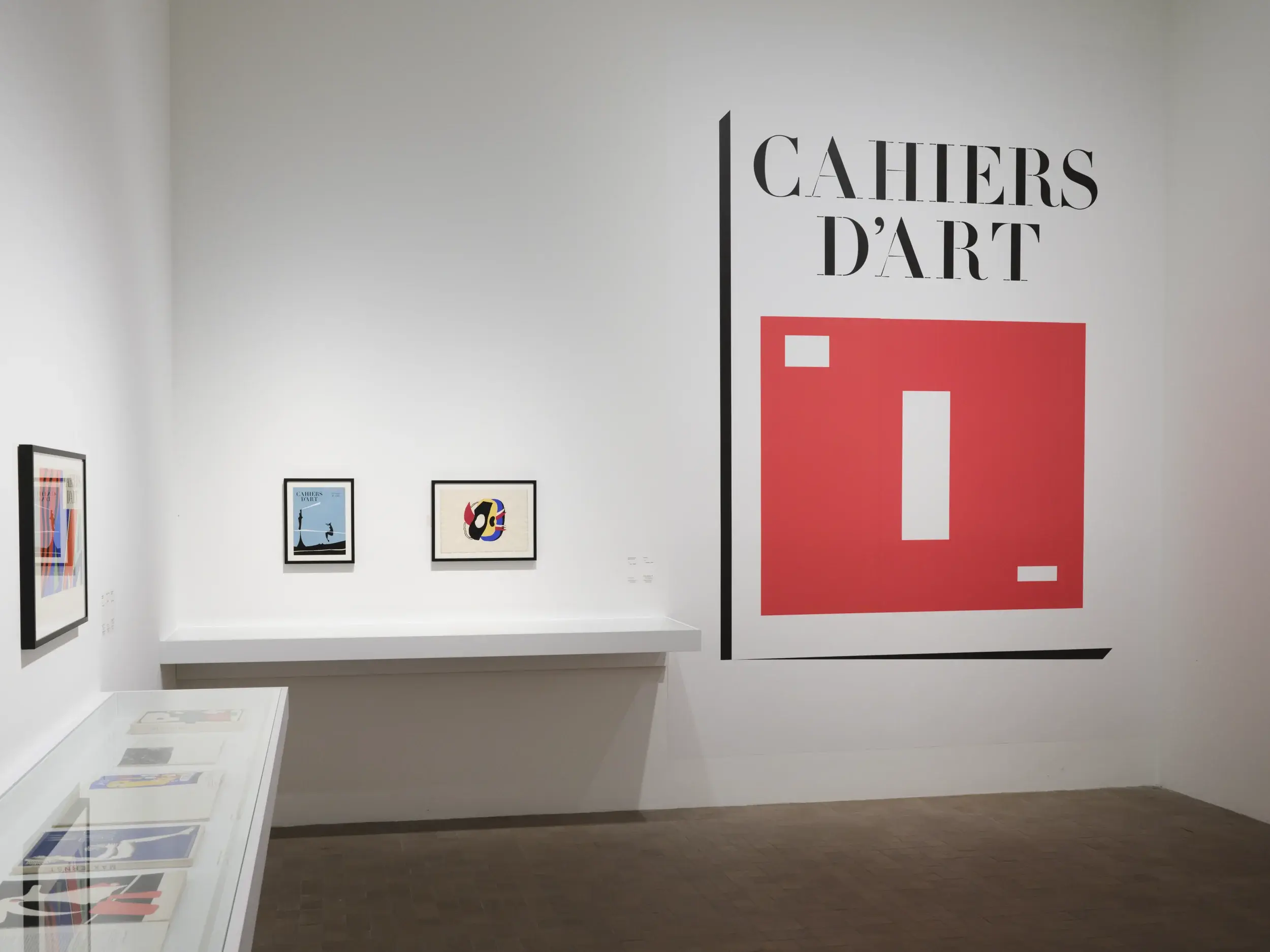
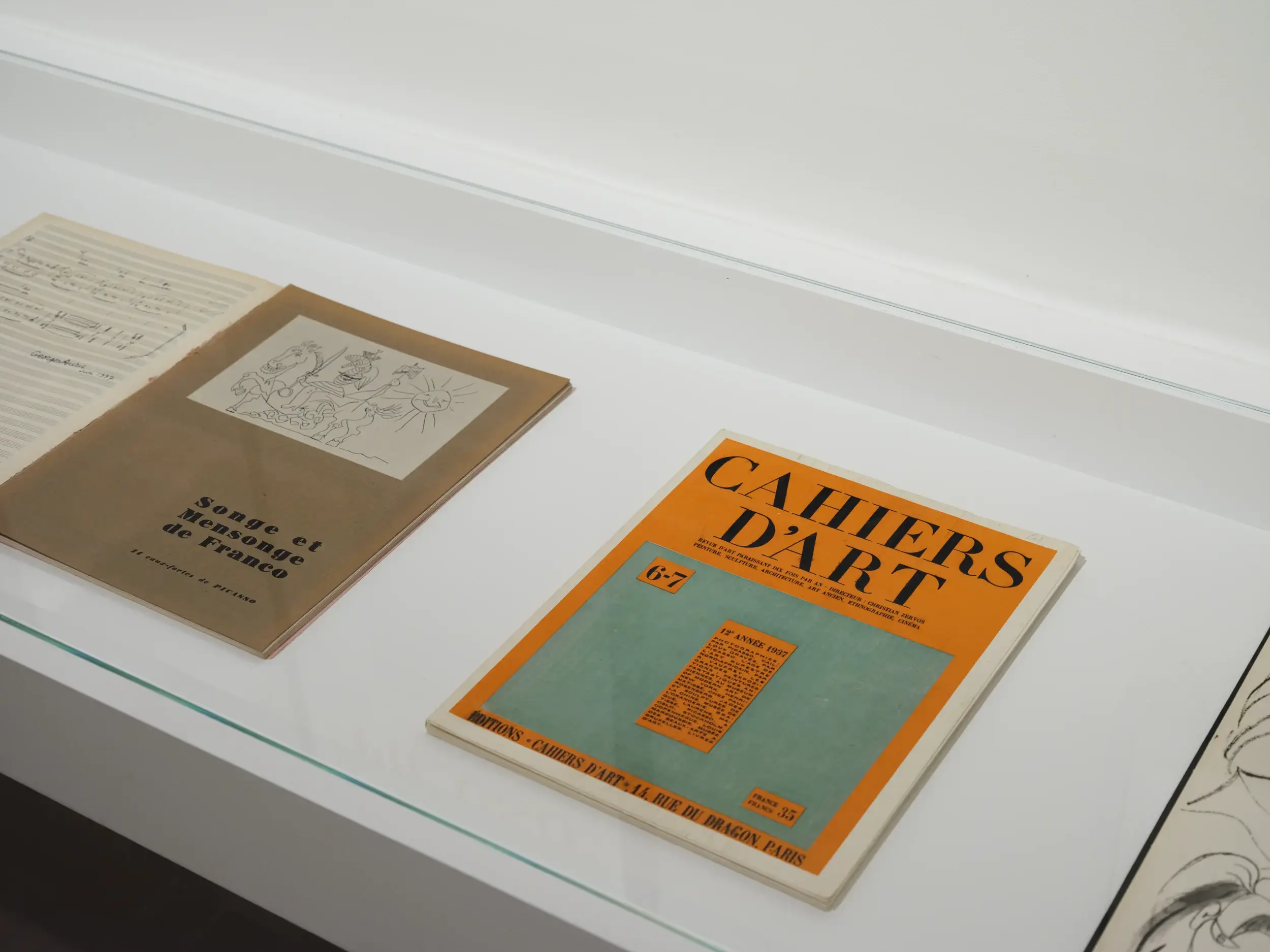
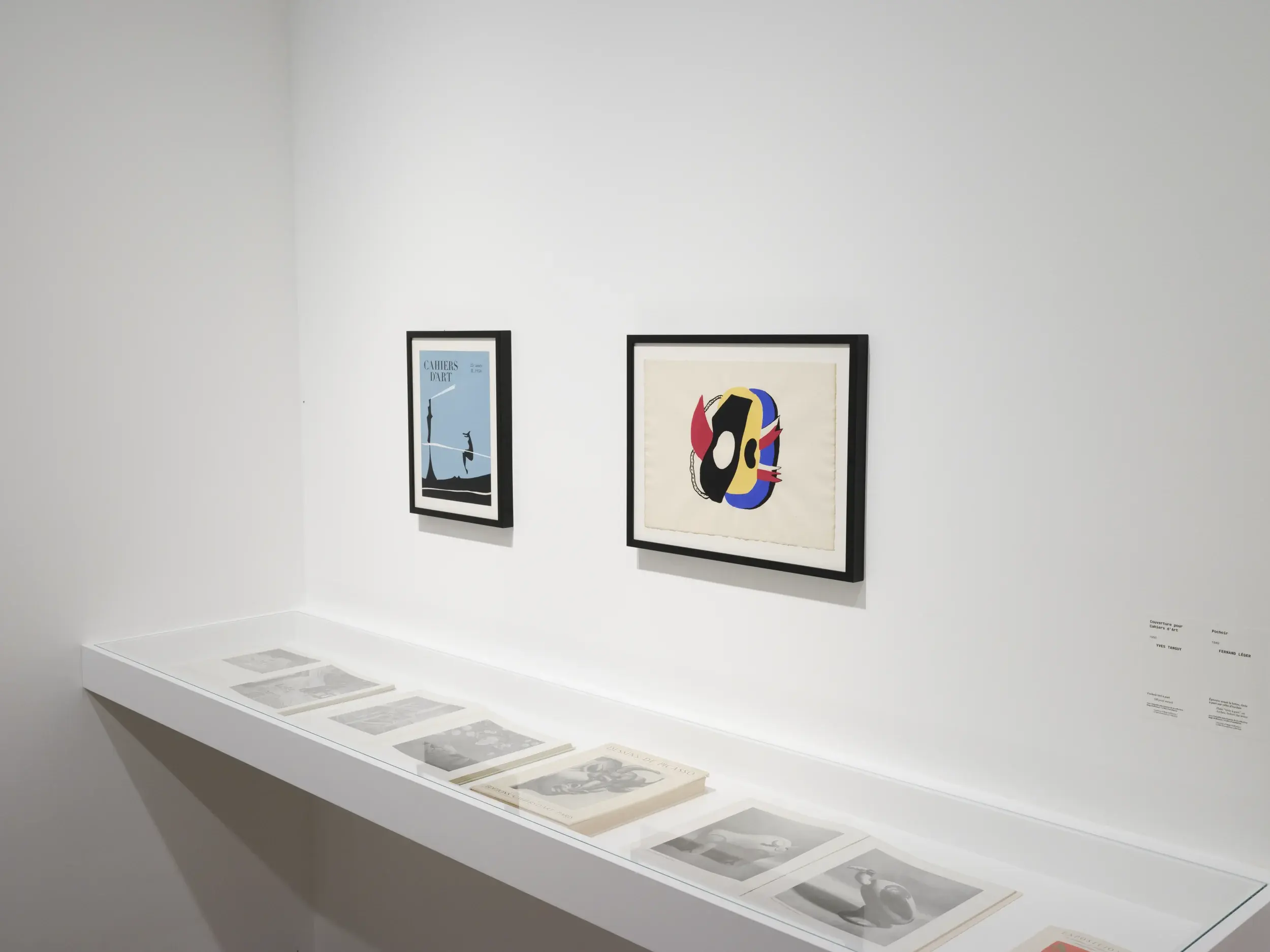
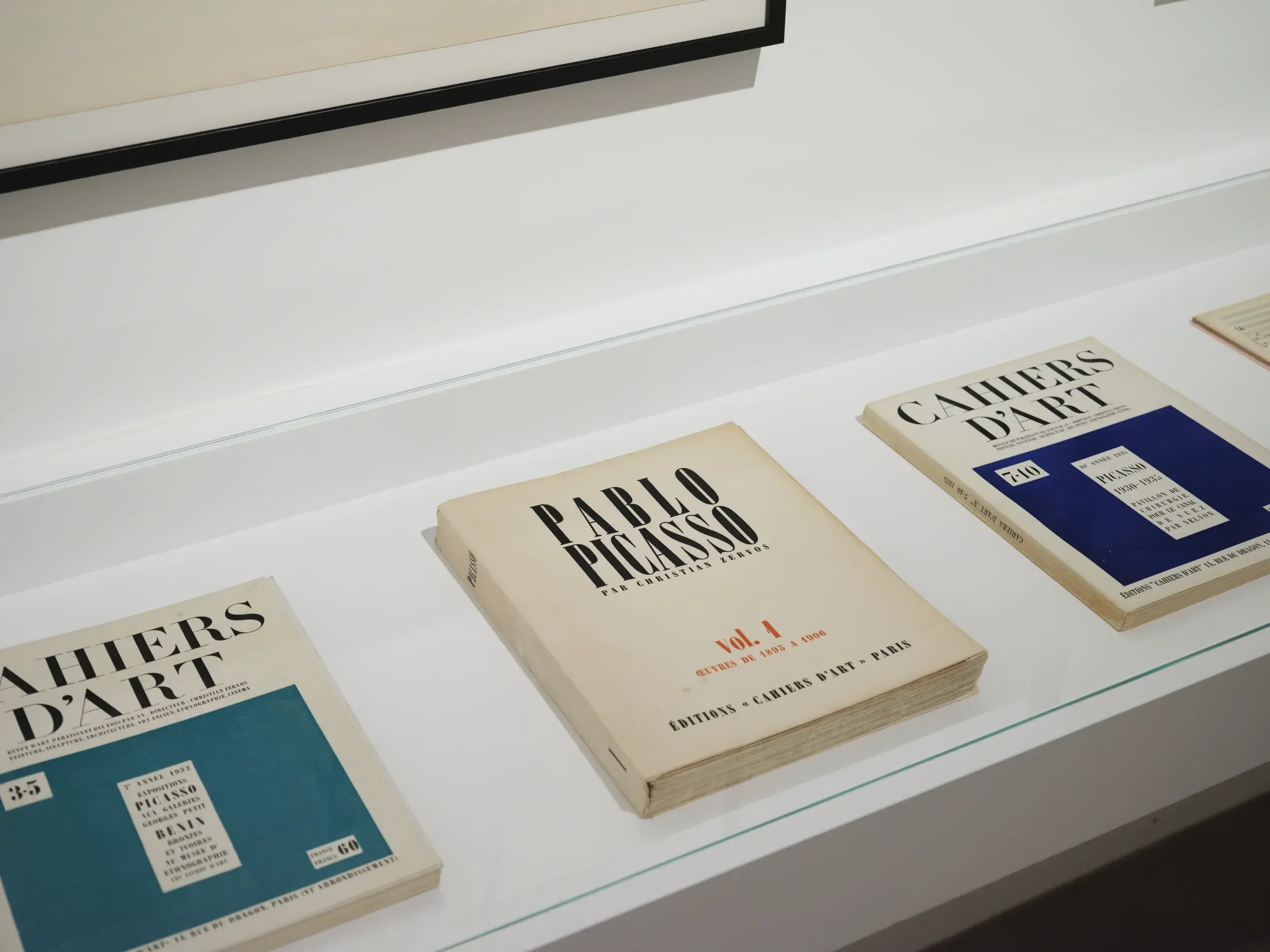
Founded in Paris in 1926 by Christian Zervos, Cahiers d’Art is a journal, a publishing house, and a gallery. Unique in its approach, the journal established itself as a benchmark from the outset, both for the boldness of its layout and typography and for the richness of its iconography. Zervos gave it a clear editorial line: to bring the arts of all eras and all cultures into dialogue, from prehistoric creations to the avant-gardes.

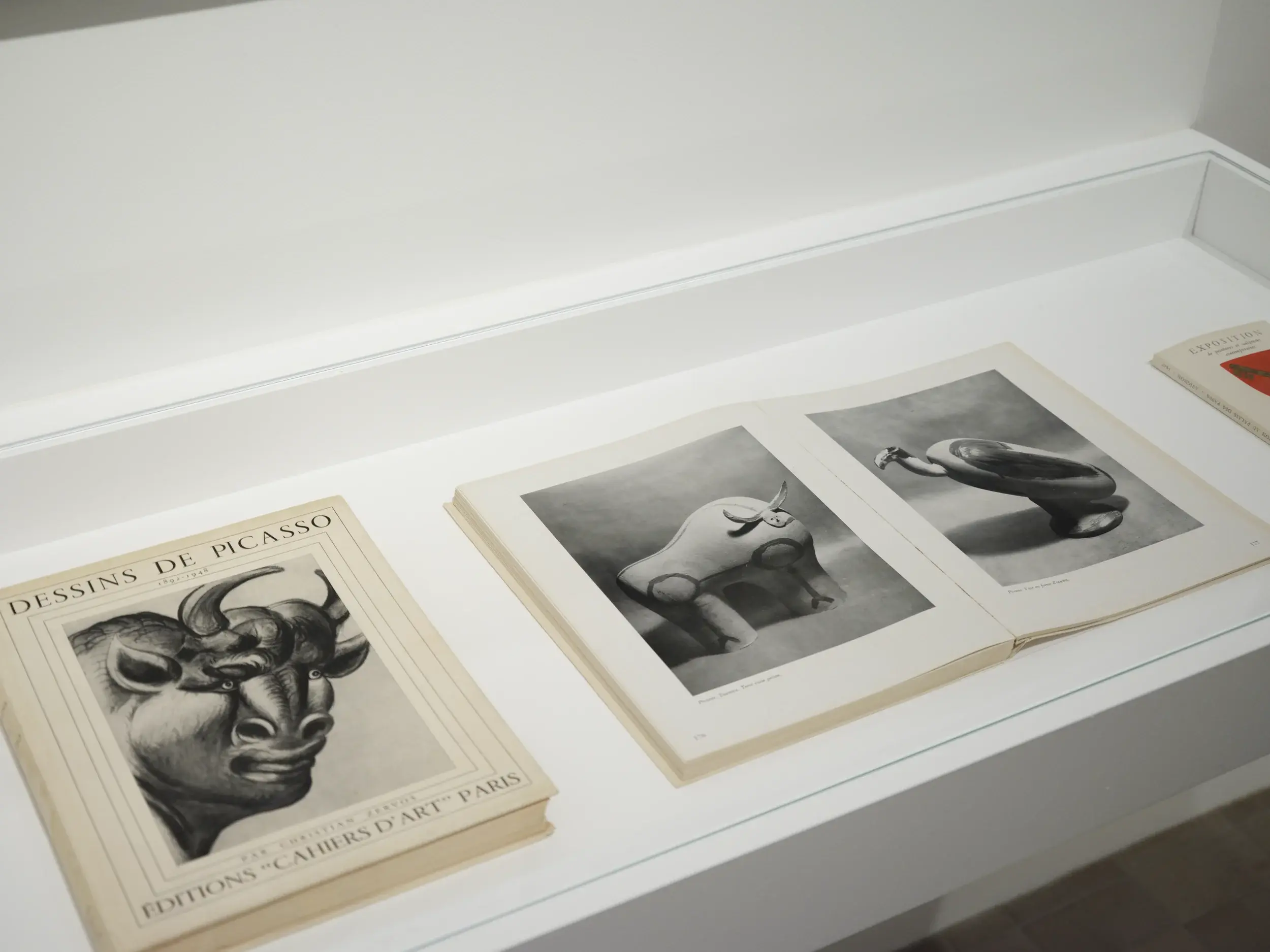
Published over thirty-four years across ninety-seven issues, the journal combined critical texts, literary writings, and carefully produced reproductions, exploring unprecedented dialogues between contemporary art and ancient arts, between poetry and contemporary critical writing. Few publishing ventures played as decisive a role in disseminating the European avant-gardes of the twentieth century. The first issues were devoted to Matisse, Picasso, and Kandinsky. Soon, Duchamp and the Surrealist group also found a platform within its pages, alongside essays by Beckett, Artaud, Césaire, Hemingway, and Lacan. Experimental photographers such as Dora Maar and Man Ray contributed striking images.

The success of the journal enabled the creation of a publishing house specializing in monographs, notably devoted to Picasso, Rousseau, Dufy, and Klee. In 1932, Zervos embarked on what would become the work of his life: the monumental Catalogue Raisonné of Picasso, continued after his death and completed in 1978 across thirty-three volumes. Meanwhile, the Cahiers d’Art premises evolved into a gallery where Zervos, alongside his wife Yvonne, showcased Mondrian as early as 1932, followed by Miró, Kandinsky, Ernst, and Giacometti.

The pace of publication gradually slowed with the war, economic upheaval, and new competition. The journal ceased publication in 1960. Its importance, however, remained intact. Zervos had lived to witness the triumph of the artists and movements he had always championed.

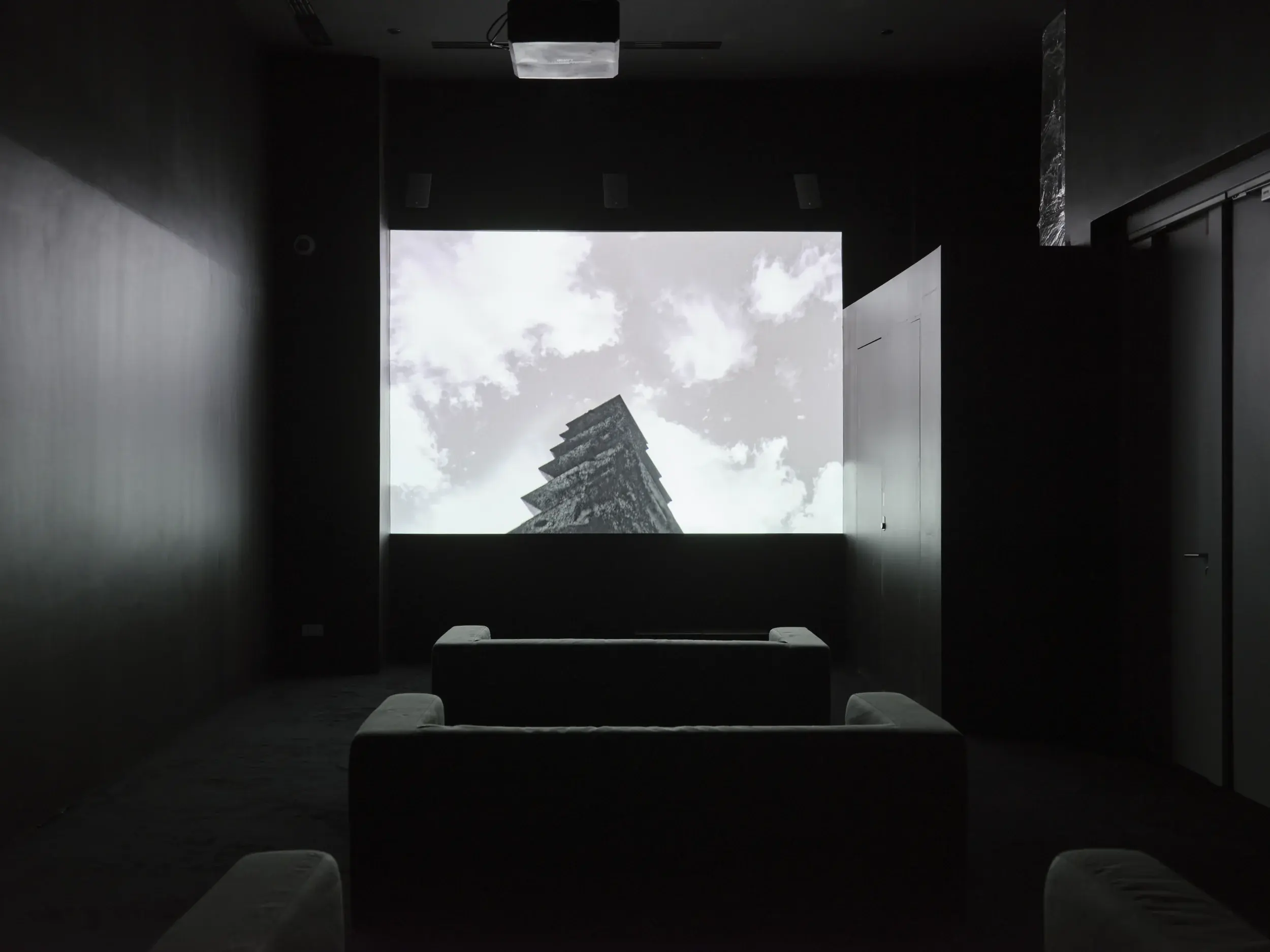
The exhibition includes REMNA, a new film commissioned by LUMA to the artist duo QASAR, which activates key elements of the Cahiers d’Art archive and brings them into the present through a contemporary artistic language.

LUMA Arles, through its LUMA Living Archives Program, has been invested in the potentials of archives, approaching them not as neutral repositories but as systems that govern what can be said, thought, and recorded at a given moment in history. The Cahiers d’Art archive embodies this idea with striking clarity. It reveals not just artworks and texts, but the conditions under which modern art became legible as modern, the artists that were foregrounded, the geographies that were amplified or silenced, the ideas that were framed as central and others that were seen as emerging or marginal. To work with this archive today is to engage critically with the rules that once structured artistic discourse and to question how those rules continue to operate.

In an era of accelerated information and fragile memory, the archive stands as a form of resistance to amnesia. The Cahiers d’Art archive, activated through the LUMA Living Archives Program, demonstrates that archives are raw matter for new forms of thinking. They are generative, they produce questions, experiments, and narratives that could not have existed otherwise. Archives are about responsibility too, to history, to knowledge, and to the possibility of thinking differently. By keeping the archive alive, we ensure that the past remains unfinished and that the future remains open.


Organized by: Vassilis Oikonomopoulos, Artistic Director at LUMA Arles, Daniel Birnbaum, Curator and Quentin Rose, Curator and Cahiers d’Art Historical Archives Manager

260430_LUMA_CAHIERS_DART_VICTOR&SIMON_GRÉGOIRE_DABLON_V2_4
Credits

100 Years of Cahiers d’Art and LUMA Arles, 2026 - 2027, The Tower, Living Archives Gallery, LUMA Arles, France.
© Victor & Simon / Grégoire d'Ablon

A look inside the Cahiers d’Art exhibition
260430_LUMA_CAHIERS_DART_VICTOR&SIMON_GRÉGOIRE_DABLON_37
Credits
100 Years of Cahiers d’Art and LUMA Arles, 2026 - 2027, The Tower, Living Archives Gallery, LUMA Arles, France.
© Victor & Simon / Grégoire d'Ablon
260430_LUMA_CAHIERS_DART_VICTOR&SIMON_GRÉGOIRE_DABLON_08
Credits
100 Years of Cahiers d’Art and LUMA Arles, 2026 - 2027, The Tower, Living Archives Gallery, LUMA Arles, France.
© Victor & Simon / Grégoire d'Ablon
260430_LUMA_CAHIERS_DART_VICTOR&SIMON_GRÉGOIRE_DABLON_07
Credits
100 Years of Cahiers d’Art and LUMA Arles, 2026 - 2027, The Tower, Living Archives Gallery, LUMA Arles, France.
© Victor & Simon / Grégoire d'Ablon
260430_LUMA_CAHIERS_DART_VICTOR&SIMON_GRÉGOIRE_DABLON_44
Credits
100 Years of Cahiers d’Art and LUMA Arles, 2026 - 2027, The Tower, Living Archives Gallery, LUMA Arles, France.
© Victor & Simon / Grégoire d'Ablon
260430_LUMA_CAHIERS_DART_VICTOR&SIMON_GRÉGOIRE_DABLON_09
Credits
100 Years of Cahiers d’Art and LUMA Arles, 2026 - 2027, The Tower, Living Archives Gallery, LUMA Arles, France.
© Victor & Simon / Grégoire d'Ablon
260430_LUMA_CAHIERS_DART_VICTOR&SIMON_GRÉGOIRE_DABLON_36
Credits
100 Years of Cahiers d’Art and LUMA Arles, 2026 - 2027, The Tower, Living Archives Gallery, LUMA Arles, France.
© Victor & Simon / Grégoire d'Ablon
260430_LUMA_CAHIERS_DART_VICTOR&SIMON_GRÉGOIRE_DABLON_11
Credits
100 Years of Cahiers d’Art and LUMA Arles, 2026 - 2027, The Tower, Living Archives Gallery, LUMA Arles, France.
© Victor & Simon / Grégoire d'Ablon

Living Archives Program


“The concept of Living Archives embodies, in my eyes, the desire to open up a space that would be accessible to all, modular and experimental, by emphasizing, beyond the traditional forms of knowledge, the current notions of feeling and experience. With the Living Archives, we aspire to make a contribution to the tradition of archives by incorporating in a more organic and open dimension, in close collaboration with the artists, thinkers and actors of these collections. 

In an age where everything is accelerating, our ambition is to slow down the process of historicization, to make the transition from one era to another more intelligible, and to offer a dynamic reflection in relation to the most recent past. With this approach, which transforms History into an organic material in constant search of interpretation, we hope to facilitate a better understanding of the world in which we live.”

Maja Hoffmann, Founder and President of the LUMA Foundation, and Founder of LUMA Arles