Crédits
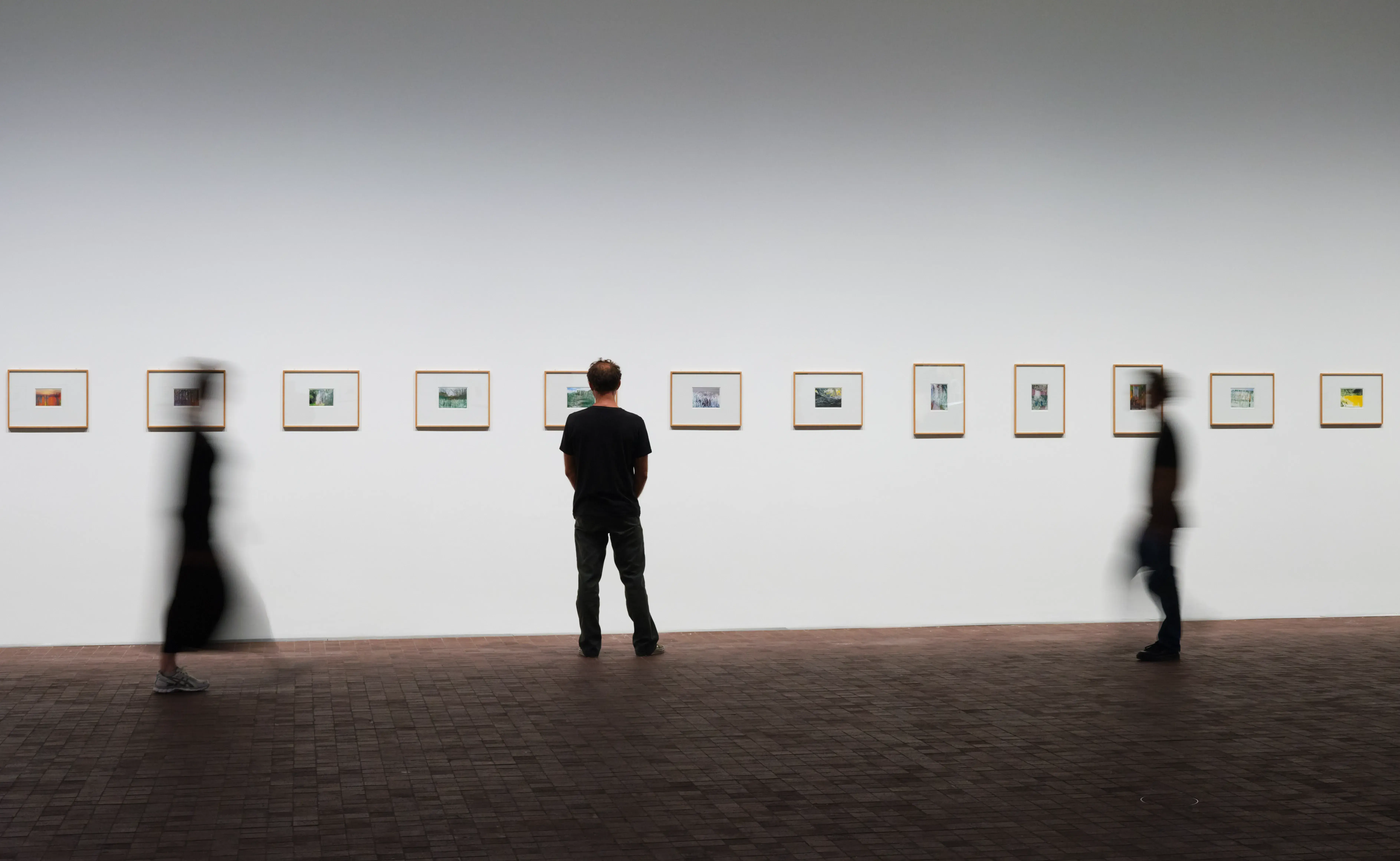
Gerhard Richter, Overpainted Photographs, 2026 - 2027, LUMA Arles
© Victor & Simon / Grégoire d’Ablon
Découvrez le programme !
Tout au long de l’année, LUMA Arles présente des expositions et des événements.
Dans La Tour conçue par Frank Gehry et les anciens bâtiments industriels du Parc des Ateliers, LUMA Arles invite des artistes contemporain·es, penseur·euses, chercheur·euses et scientifiques à présenter ou développer des projets qui explorent les liens entre art, culture, environnement, droits humains et recherche.
À ne pas manquer
-
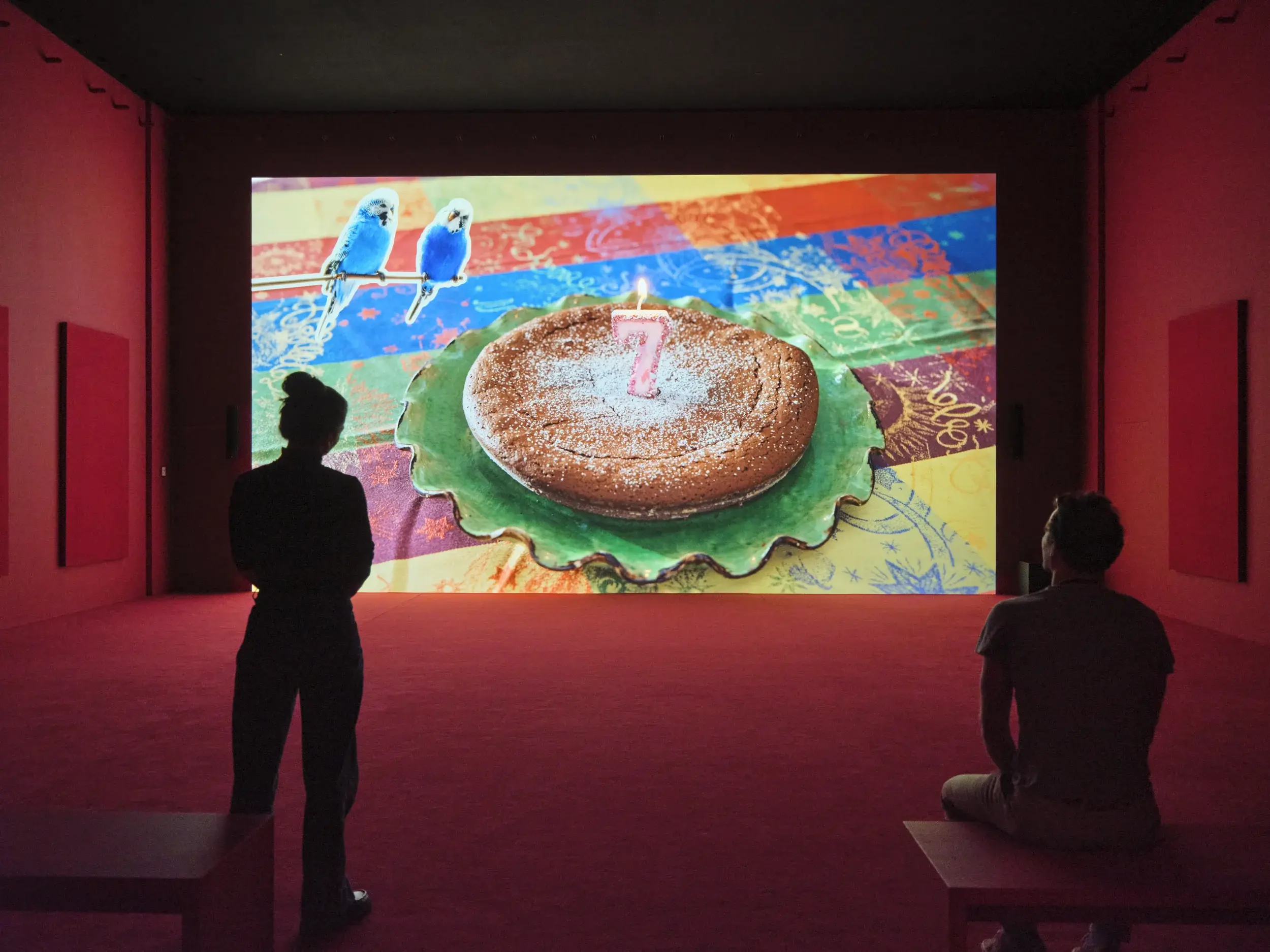 Du 1er mai 2026 au 10 janvier 2027In the Veins Camille HenrotConçu comme une œuvre immersive en images animées, le film s’intéresse aux circulations invisibles qui façonnent l’expérience humaine – émotions, croyances, désirs et récits hérités qui traversent les individus et les générations, les liant à des systèmes de signification plus vastes.
 -
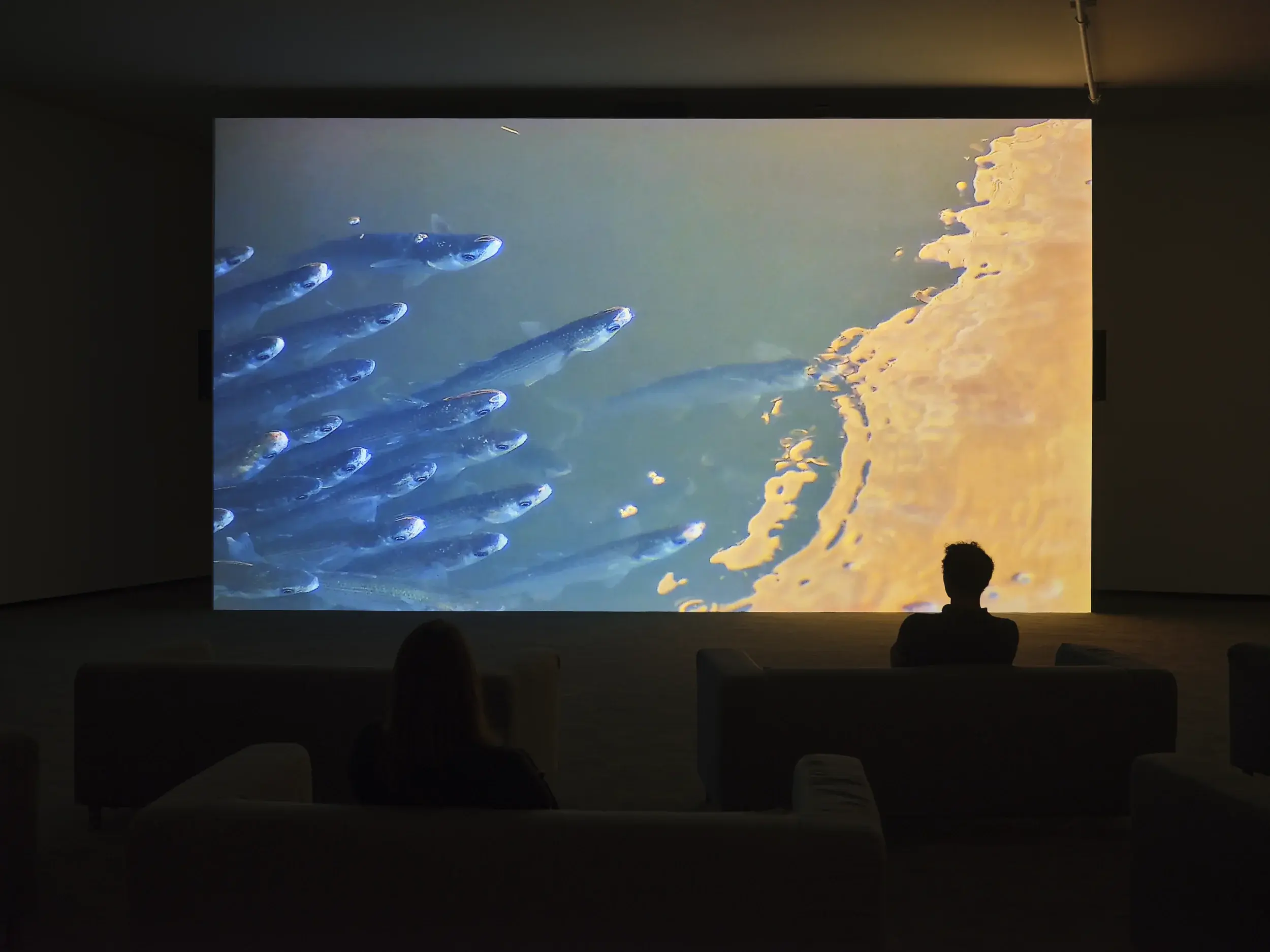 Du 1er mai 2026 au 31 mars 2027Delta Verena ParavelTournée dans l’écosystème singulier du delta du Rhône, l’œuvre explore les vies fragiles et souvent invisibles des nombreuses espèces qui peuplent les zones humides de la Camargue.
 -
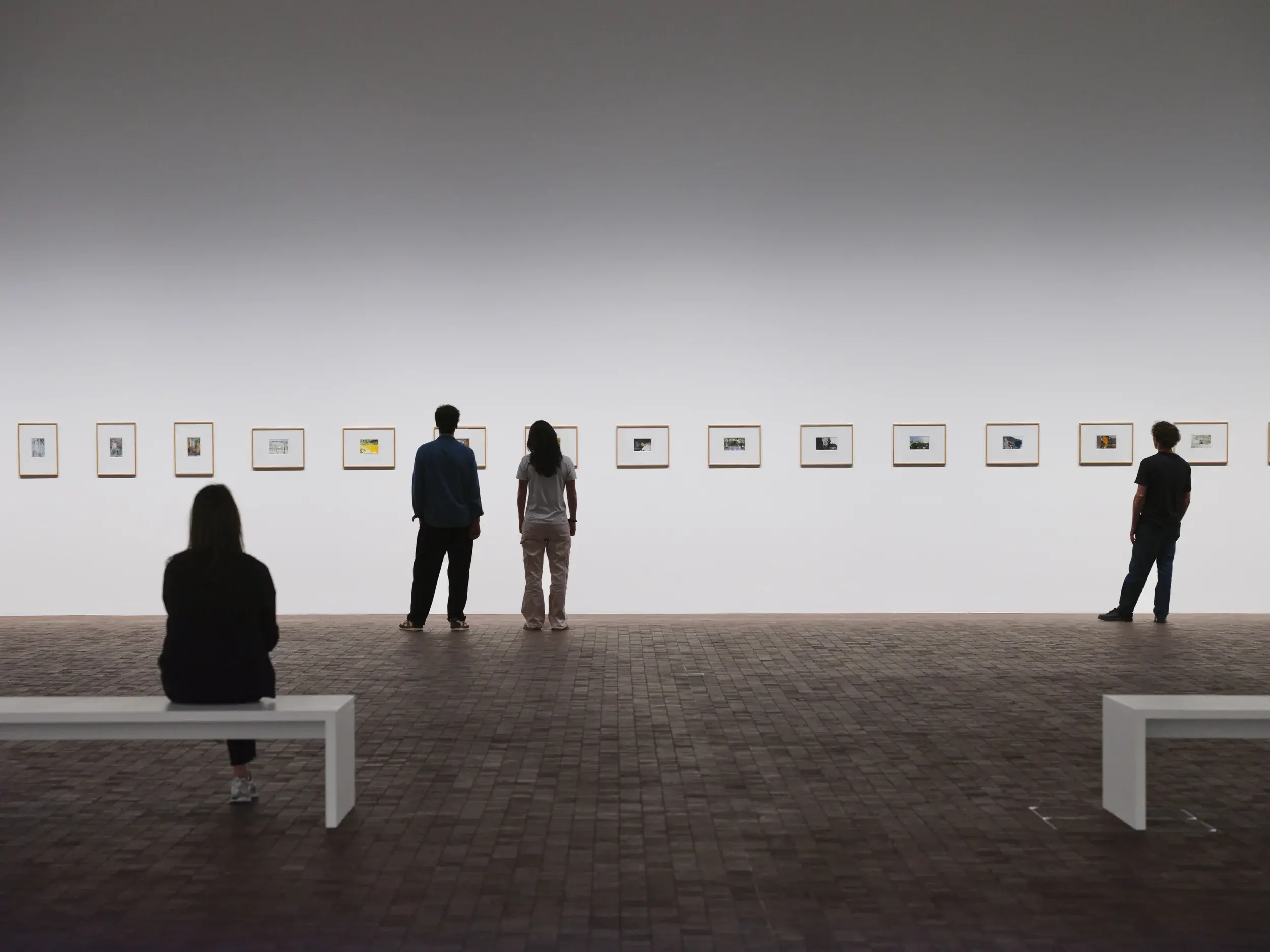 Du 1er mai 2026 au 10 janvier 2027Overpainted Photographs Gerhard RichterOverpainted Photographs traverse les questions centrales de la pratique de Gerhard Richter : les limites de la représentation, l’instabilité de la vérité, les conditions dans lesquelles les images façonnent la croyance.
 -
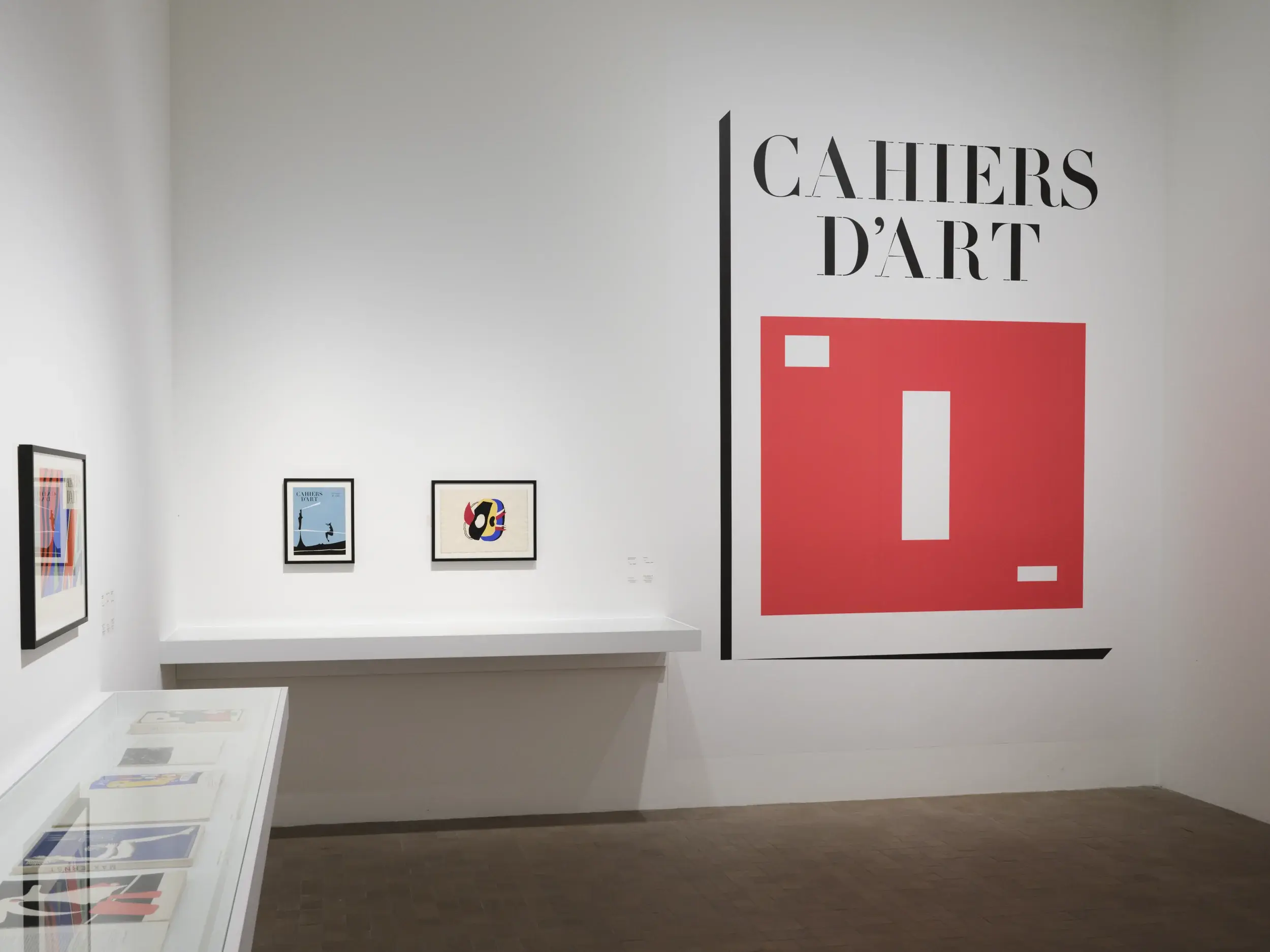 Du 1er mai 2026 au 31 mars 2027En 2026, Cahiers d’Art célèbre son centième anniversaire avec un programme international : expositions dans de prestigieux musées, publication jubilaire, conférences et rencontres.
 -
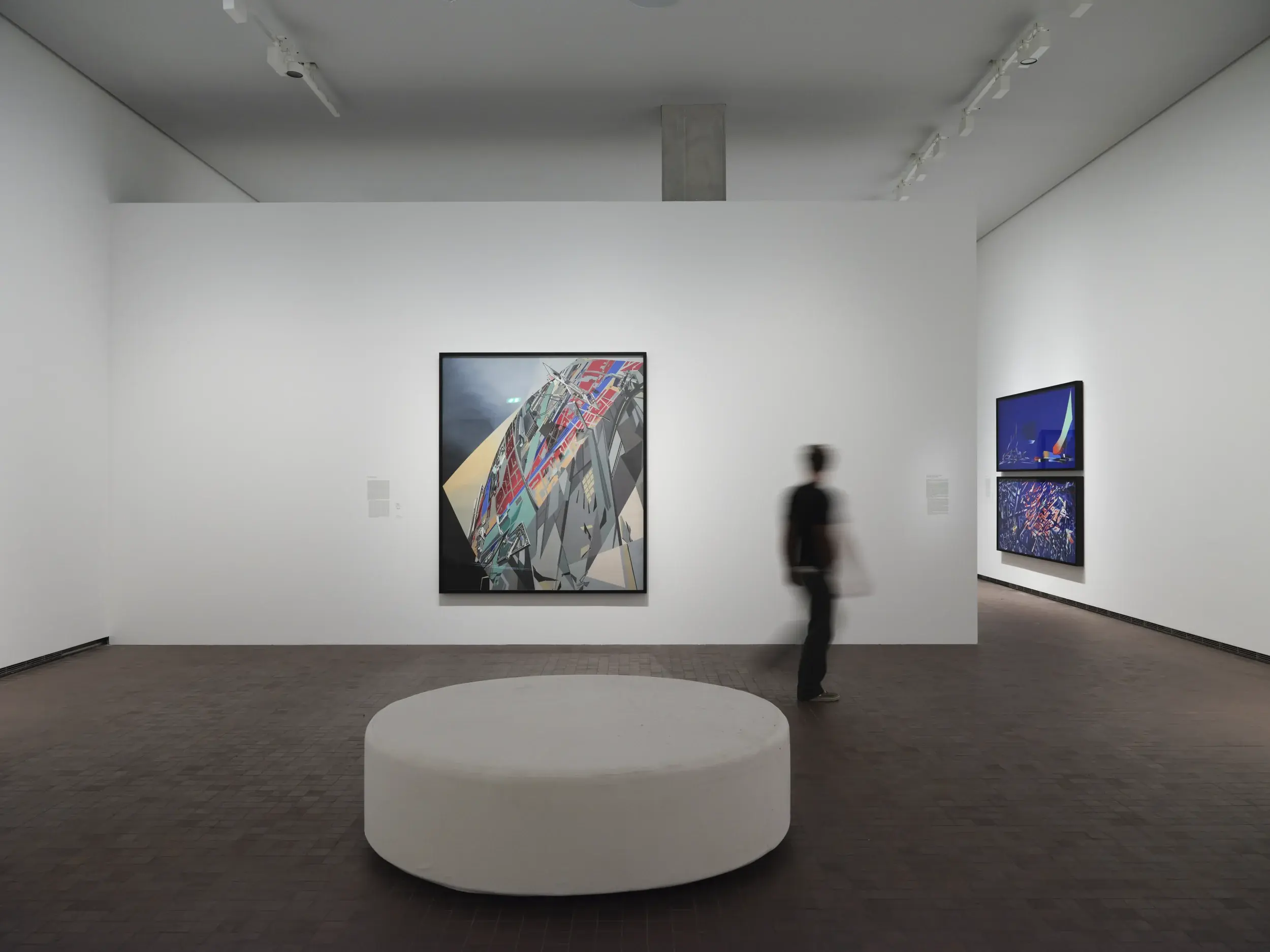 Du 1er mai 2026 au 31 mars 2027L’exposition déploie trois chapitres de sa carrière d’architecte : du constructivisme à ses projets et réception précoces dans le contexte français, ainsi que sa relation au long cours avec Obrist.
 -
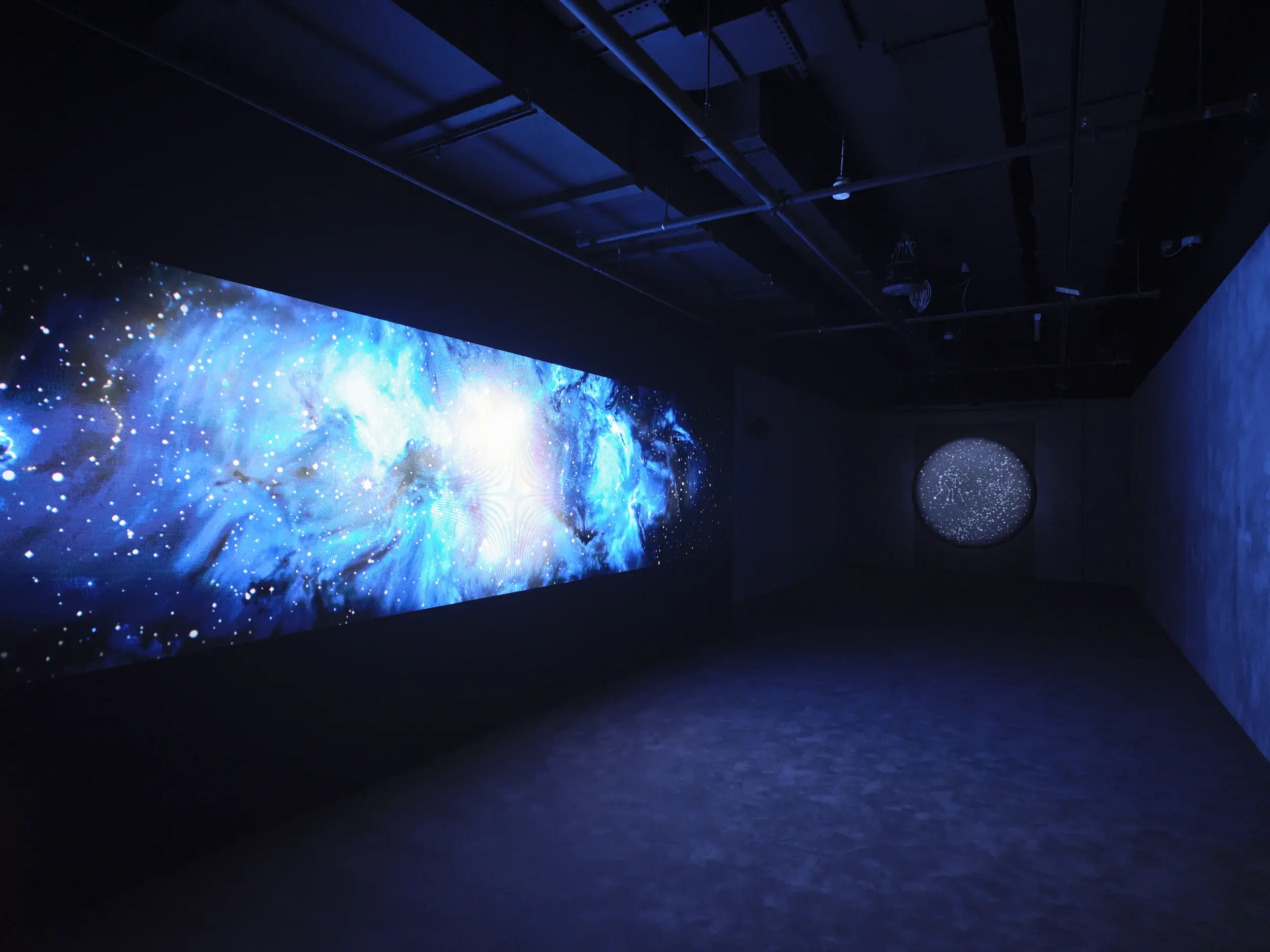 Du 1er mai 2026 au 10 janvier 2027In Search of… Incredible JulianknxxTravaillant à partir du film, du son et de la performance, Julianknxx a développé une pratique singulière qui fait dialoguer la poésie et l’image animée, créant des pièces où la mémoire est portée, énoncée et continuellement reformulée.
Deux toboggans, un skatepark et d’autres œuvres créées par des artistes, toutes en accès libre.
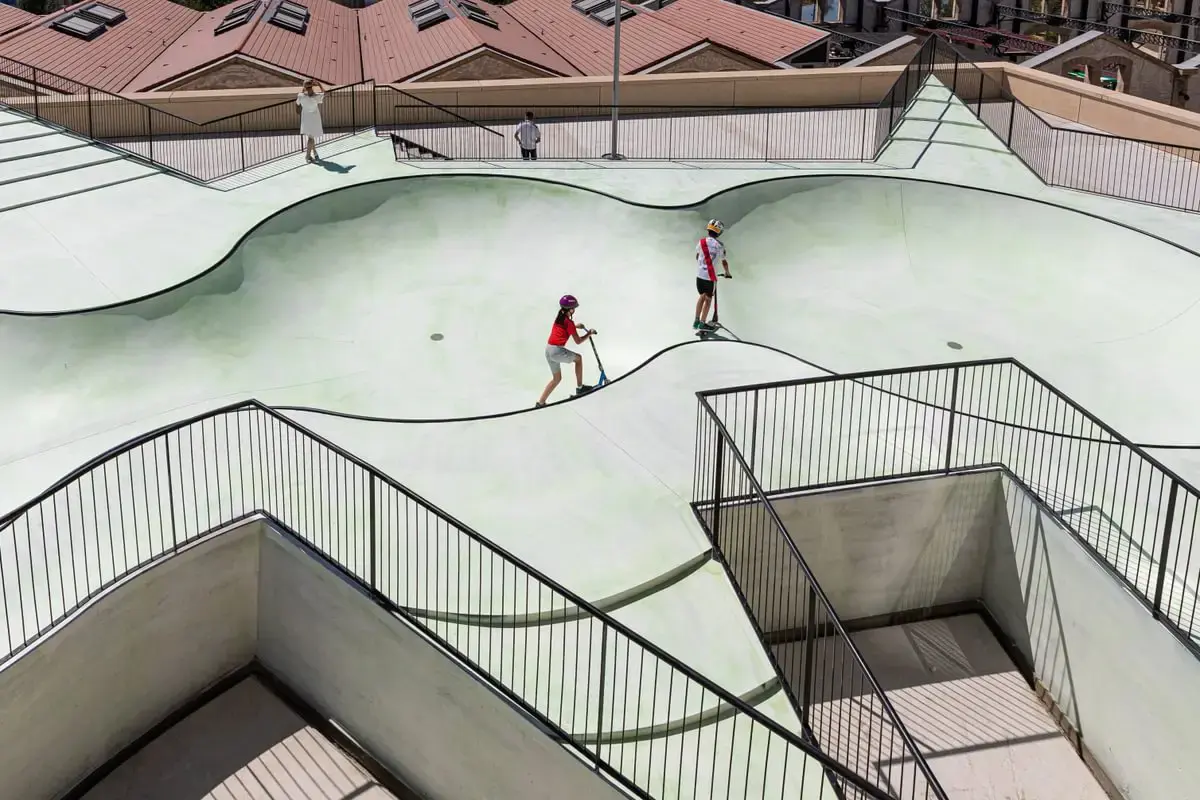
OooOoO
KOO JEONG A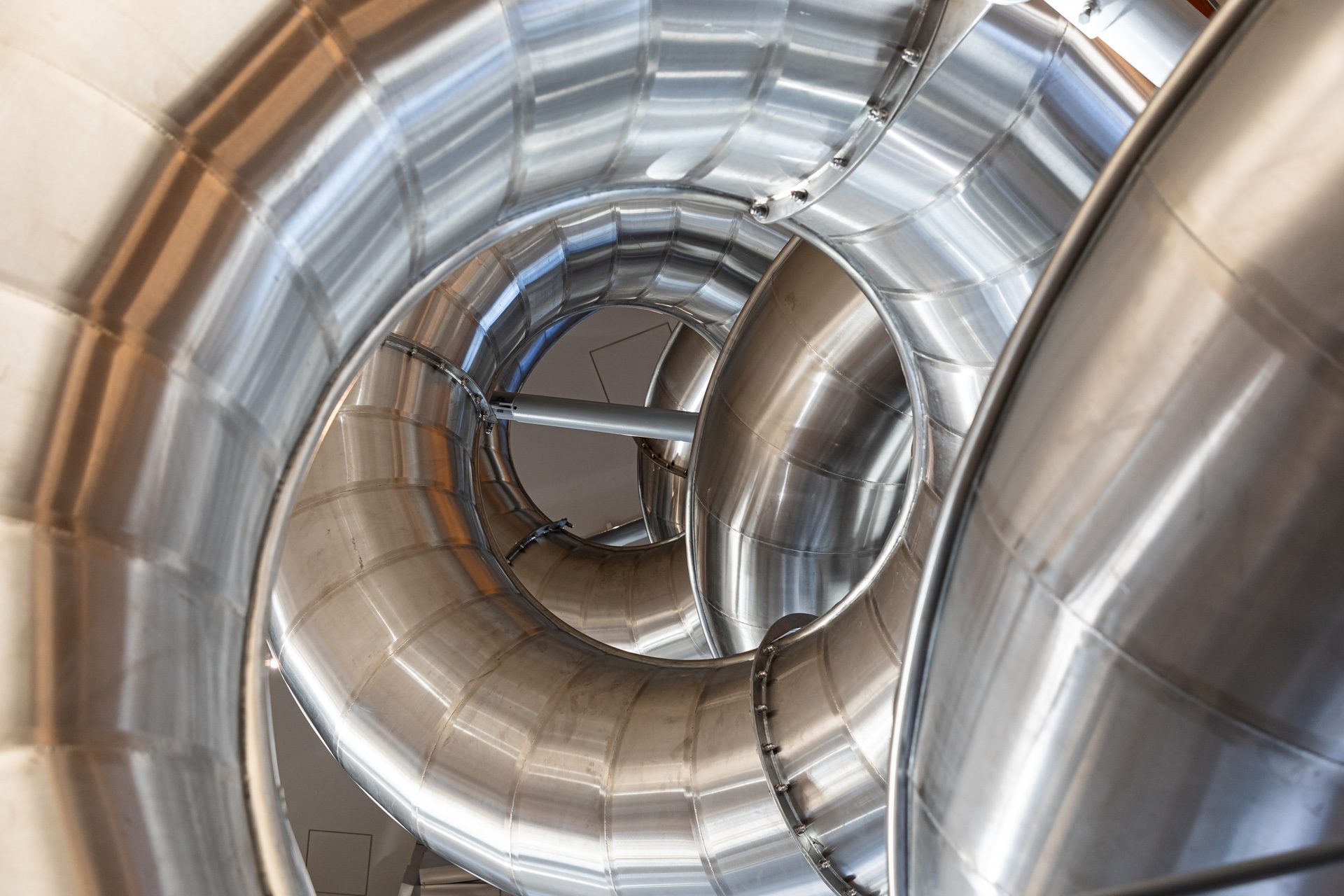
Isometric Slides
Carsten Höller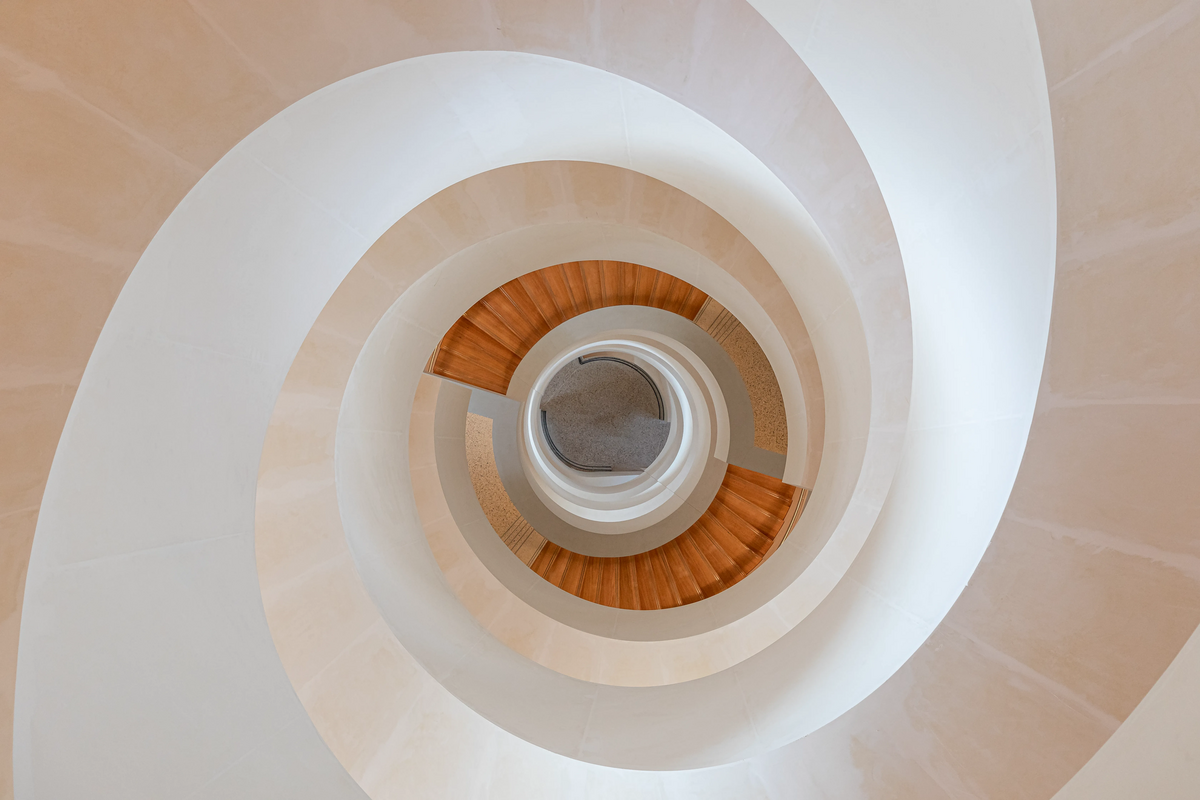
Take your Time
Ólafur Elíasson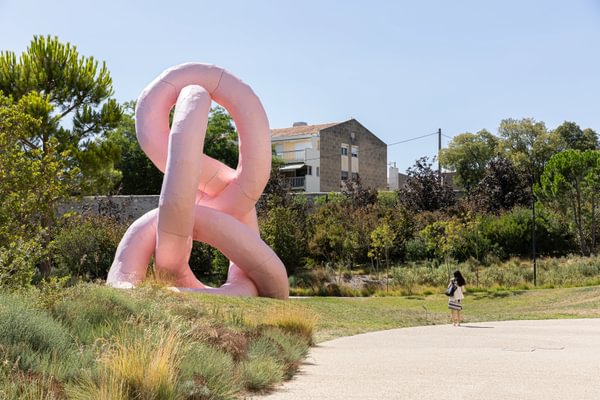
Krauses Gekröse
Franz West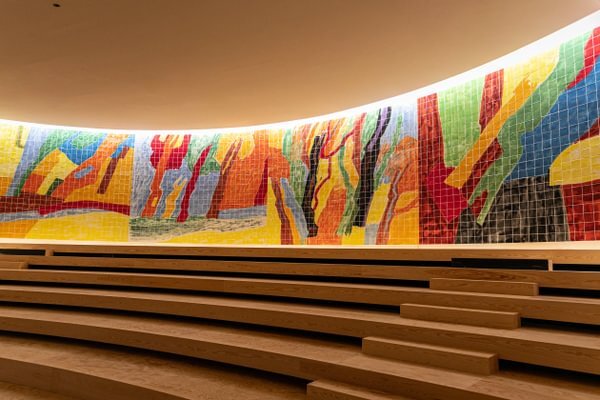
Dans la forêt
Etel Adnan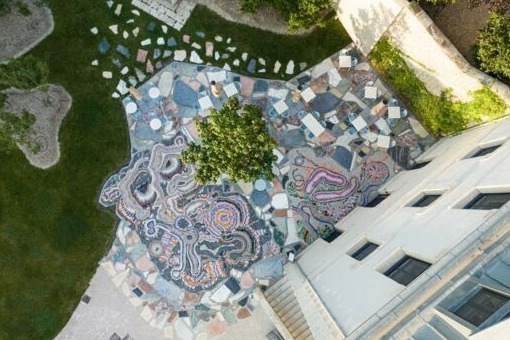
MEMORY
Kerstin Brätch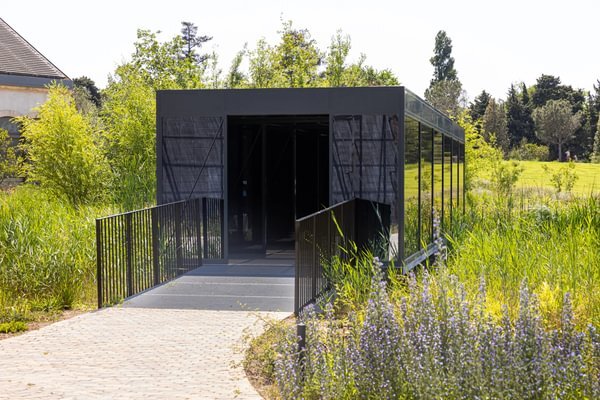
Seven Sliding Doors Corridor (Outdoor Version)
Carsten Höller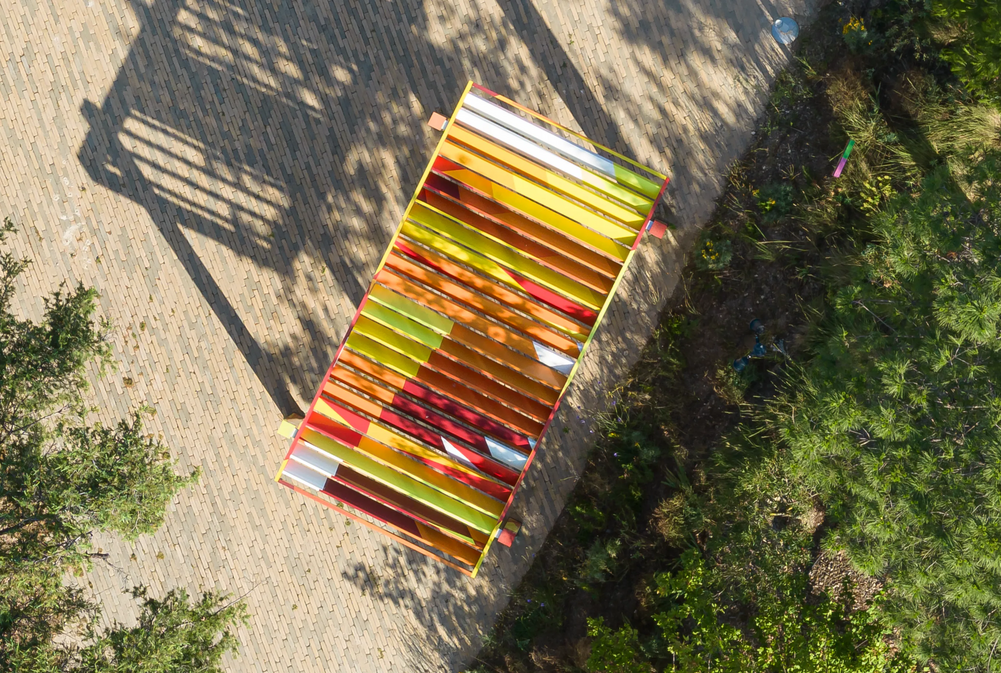
Orientation Platforms
Liam Gillick
Krauses Gekröses
Franz West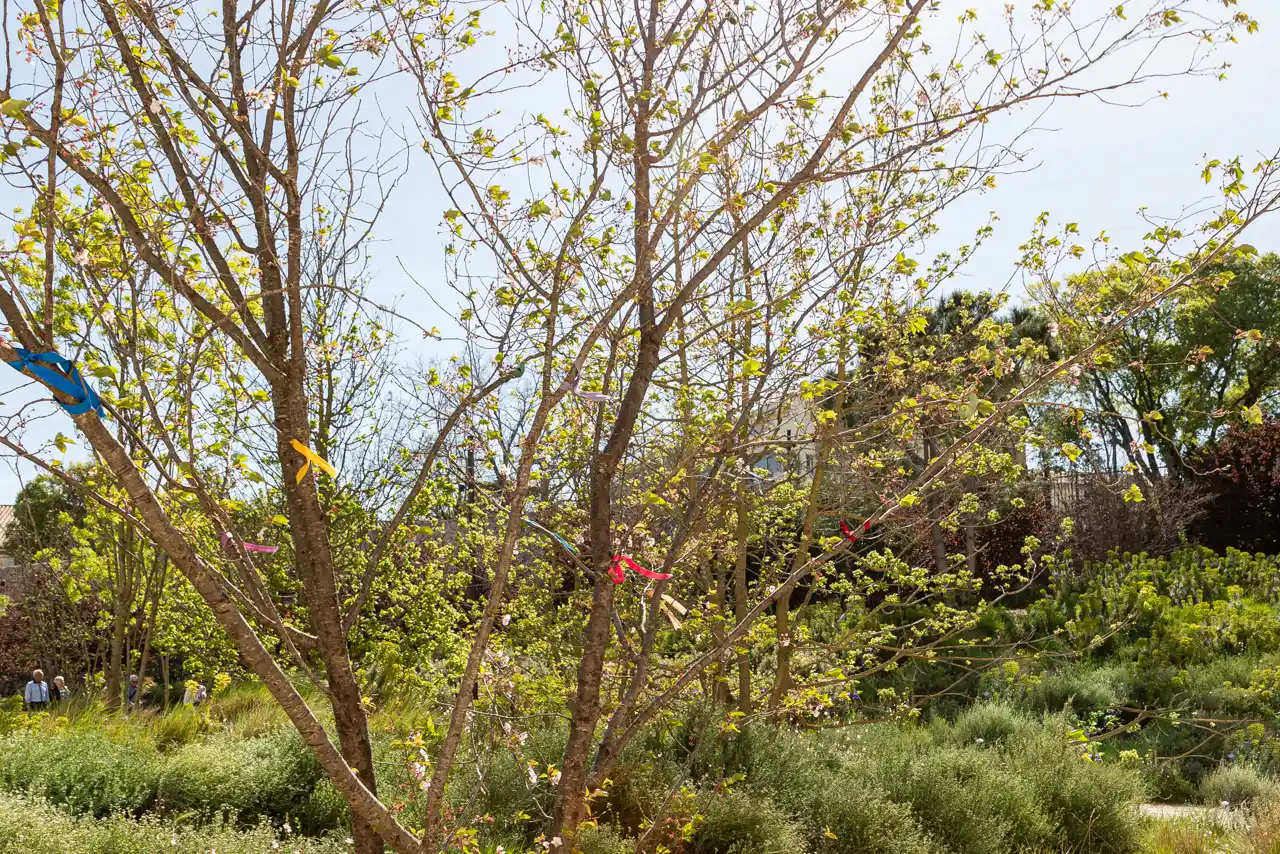
kitsune
Dominique Gonzalez-Foerster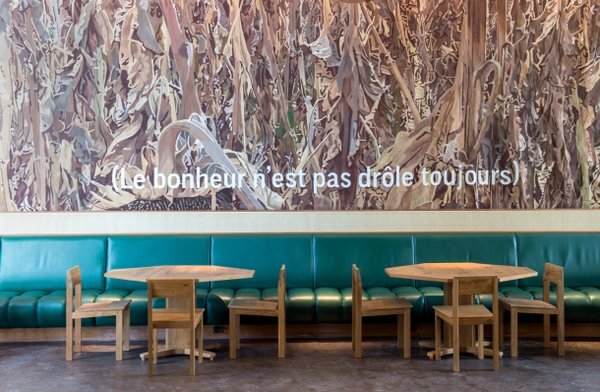
Drum Café
Rirkrit Tiravanija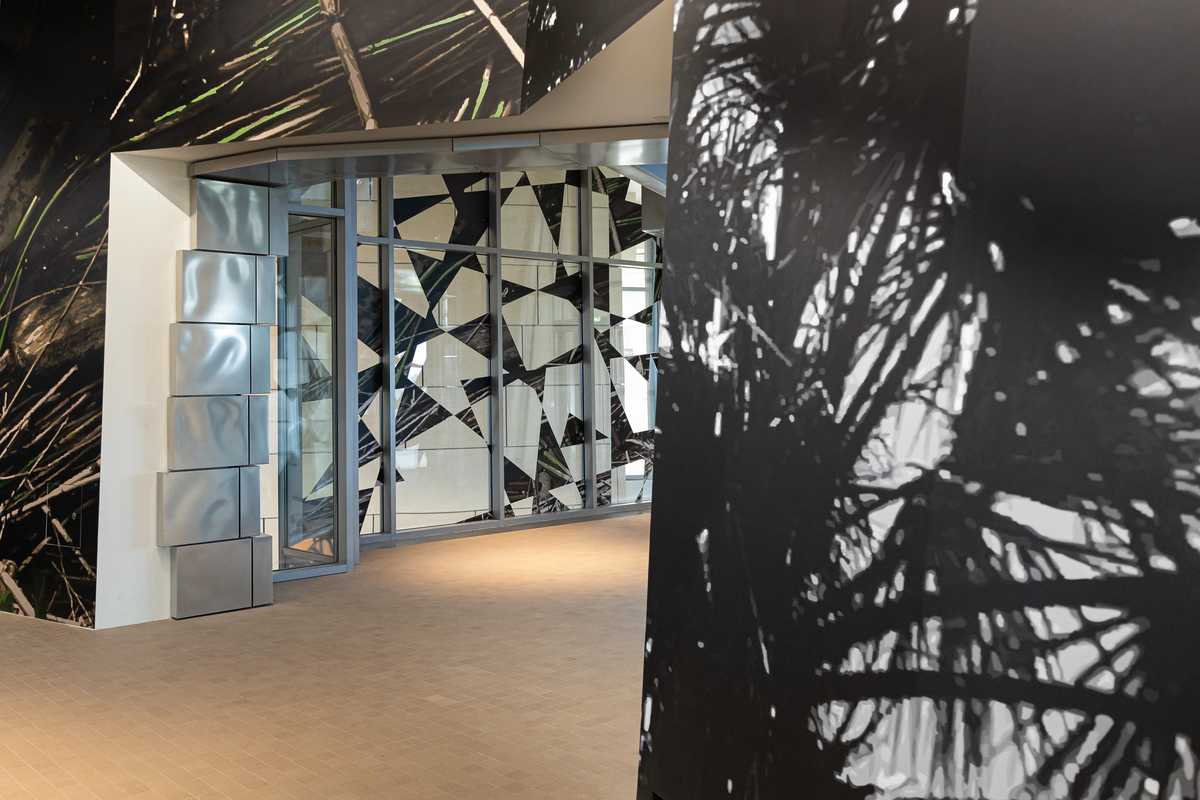
Laguna Gloria
Liam Gillick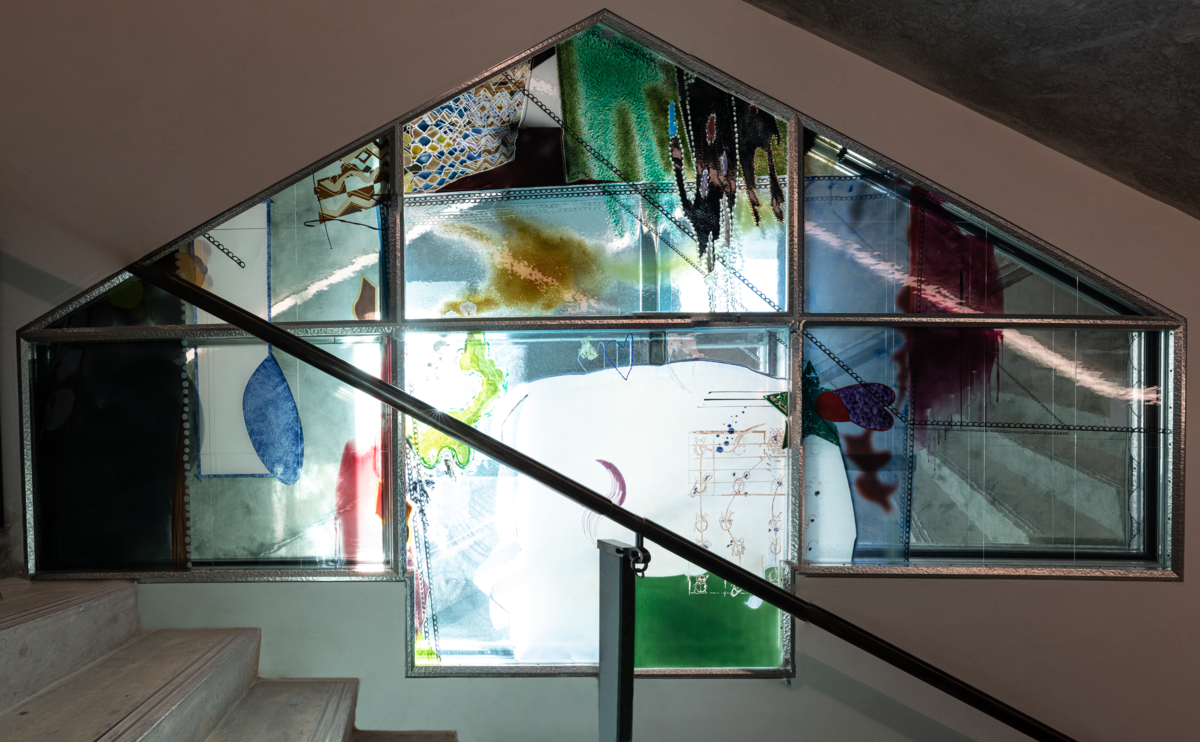
Day Light Songs (biting the air)
Helen Marten
Open Space
Konstantin Grcic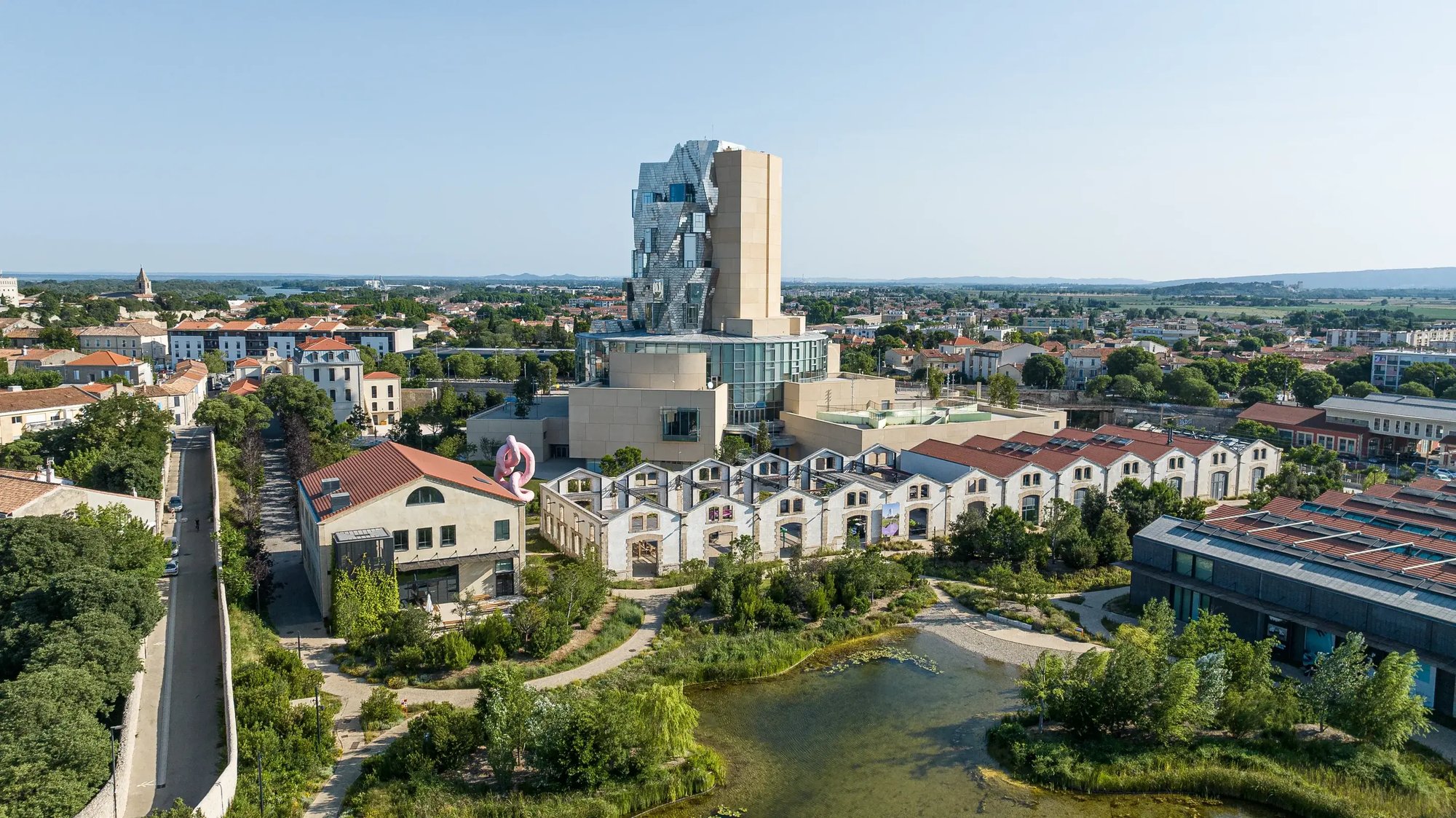

/1_fuk4vdbm.jpg)